

Common Real Estate Scams Targeting U.S. Homeowners
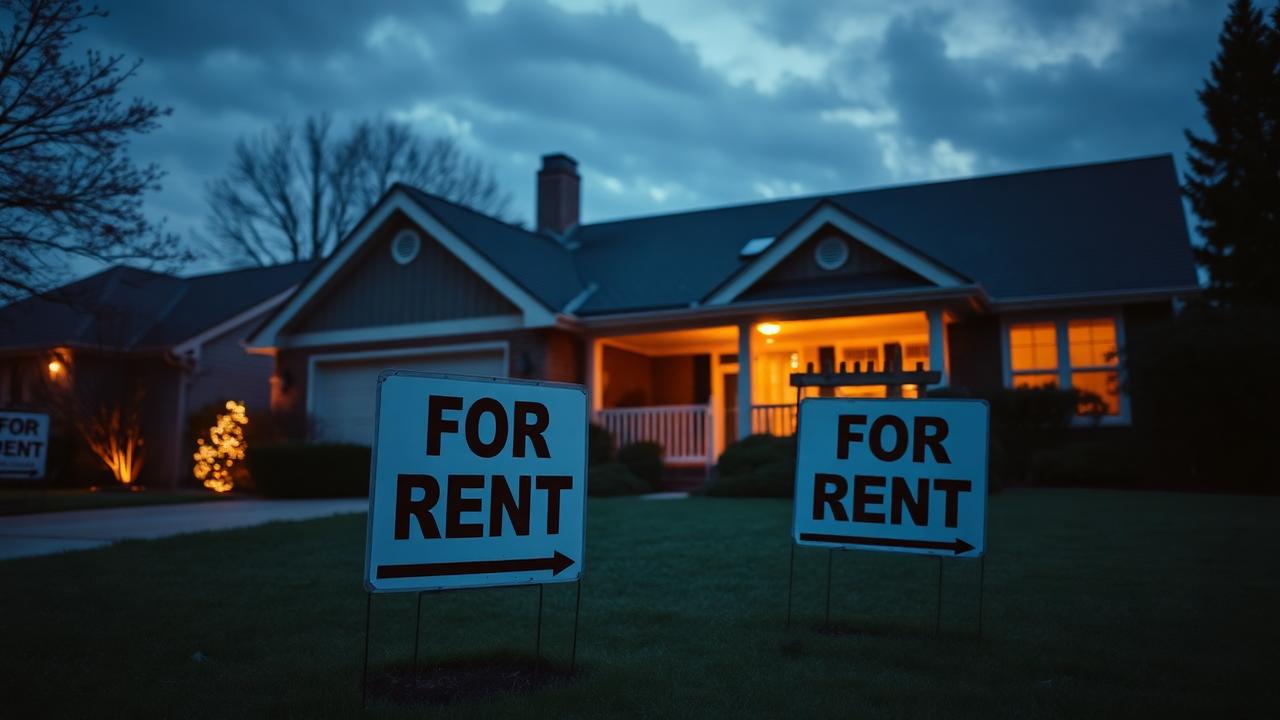
Wire fraud, fake rental listings, equity-stripping refinances, and forged quitclaim deeds — the scams homeowners actually face, with defenses for each.
Wire fraud at closing
By dollar volume, this is the most expensive real estate scam in the U.S. Criminals compromise a title company, agent, or attorney email account, wait until closing is days away, then send the buyer 'updated' wiring instructions that route funds to an account they control. Defense is mechanical: never trust wire instructions that arrive by email. Always call the title company at a number you looked up independently and confirm the routing and account verbally.
Fraudulent rental listings
Scammers copy a real for-sale or vacant listing, post it as a rental at a below-market price, and collect deposits via wire, Zelle, or gift cards from would-be tenants. If you own a vacant property, periodically search your address on Zillow, Craigslist, Facebook Marketplace, and Trulia.
Equity-stripping refinances
Targeted at homeowners under financial stress, equity-stripping scams use a sham refinance or 'rescue' purchase that quietly transfers ownership or strips equity. Anything that requires you to sign a deed in exchange for promised mortgage relief warrants a real estate attorney's review before you sign.
Scan your address free — no account, no card. Then start monitoring in under a minute.
Forged quitclaim deeds
The simplest and oldest deed-fraud play: a forged quitclaim deed filed at the county recorder. A monitoring service plus a quick weekly visual check of your county parcel page closes the window between filing and discovery.
Foreclosure-rescue and reverse-mortgage scams
Homeowners who fall behind on payments are aggressively targeted by 'rescue' services that promise to negotiate with the lender. The contract buried in their paperwork often transfers the deed to the rescuer, who then strips equity through a sham sale-leaseback. Older homeowners with reverse mortgages face a parallel risk: scammers convince them to add a relative or 'helper' to the title, then use that joint ownership to encumber the property.
Defense: any document that changes who is on title belongs in front of an independent real estate attorney first. The cost of a one-hour consultation is a rounding error compared with the value of the equity at stake.
Contractor and home-improvement fraud
Storm-chasing contractors, door-to-door roof inspectors, and assignment-of-benefits insurance schemes all end in the same place: a mechanic's lien against your property or a fraudulent insurance claim filed in your name. Always verify a contractor's license through your state's licensing board, require written lien waivers with every payment, and never sign an assignment of benefits without reading exactly what rights you're handing over.
Frequently asked questions
Are any of these scams covered by homeowners insurance?+
No. Standard homeowners insurance covers physical damage and liability, not fraud, identity theft, or title issues. Title insurance covers pre-closing title defects only. Active monitoring is the practical layer that fills the gap.
See what's on the public record for your address.
PropertyShield+ checks the public record for new filings, ownership changes and liens, and alerts you the moment something looks wrong. Your encrypted document vault, maintenance tracker and family access work anywhere in the world.
Plans from $14.99/mo · Cancel anytime · Not insurance, a law firm, or a government agency.