

Estate Planning and Property Titles: Trusts, Joint Tenancy, and TOD Deeds
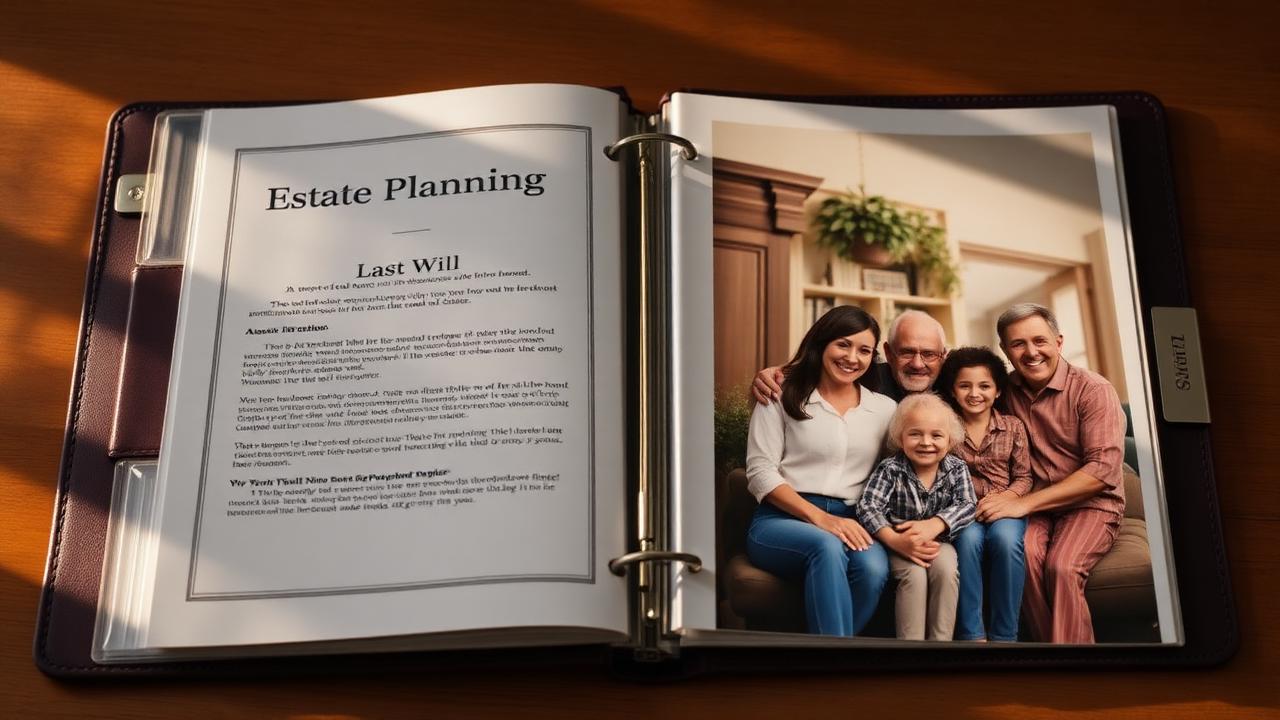
How titling decisions affect both fraud protection and inheritance, and which structure makes sense for your situation.
Revocable living trusts
Holding property in a revocable living trust keeps it out of probate and adds a layer of friction for fraudsters — the trust name, not the individual, appears on records, which doesn't match the typical stolen-identity profile criminals try to match. Trusts also let you control who inherits the property without court involvement.
Joint tenancy with right of survivorship
Simpler than a trust. The surviving co-owner automatically inherits the deceased owner's share without probate. The trade-off: either owner can encumber the entire property (take out a loan, sign a lien), so it requires trust between co-owners.
Transfer-on-death (TOD) deeds
Available in roughly two-thirds of U.S. states, a TOD deed lets you name a beneficiary who inherits the property automatically without probate. You retain full control during your lifetime and can revoke it any time. It does not protect against fraud during your life — that's still record monitoring's job.
Scan your address free — no account, no card. Then start monitoring in under a minute.
Whichever you choose: document, store, tell
Document the structure, store the paperwork in two places, and tell the people who need to know. Estate-planning structures that no one can find at the moment they're needed don't work.
Tenancy by the entirety and community property
A handful of states recognize tenancy by the entirety — a form of joint ownership available only to married couples that adds creditor protection neither spouse can unilaterally pierce. Community-property states treat marital real estate differently again, and a few of those states allow community-property-with-right-of-survivorship for the best of both worlds. State law controls; never rely on a generic template without local counsel.
Coordinating titles with the rest of your estate plan
An estate plan only works if titling, beneficiary designations, and the will all point the same direction. A house titled to a joint owner passes to that joint owner regardless of what your will says. A TOD deed overrides the will too. Sit down with your estate attorney every few years and reconcile the three layers — drift between them is the single most common cause of unintended inheritance outcomes.
Frequently asked questions
Do I lose homestead exemption if I put my home in a trust?+
In most states, no — as long as you remain the trustee and the trust is revocable. Confirm with a local estate planning attorney since rules vary by state.
See what's on the public record for your address.
PropertyShield+ checks the public record for new filings, ownership changes and liens, and alerts you the moment something looks wrong. Your encrypted document vault, maintenance tracker and family access work anywhere in the world.
Plans from $14.99/mo · Cancel anytime · Not insurance, a law firm, or a government agency.