

If Your Identity Is Stolen: The 48-Hour Property Response Plan
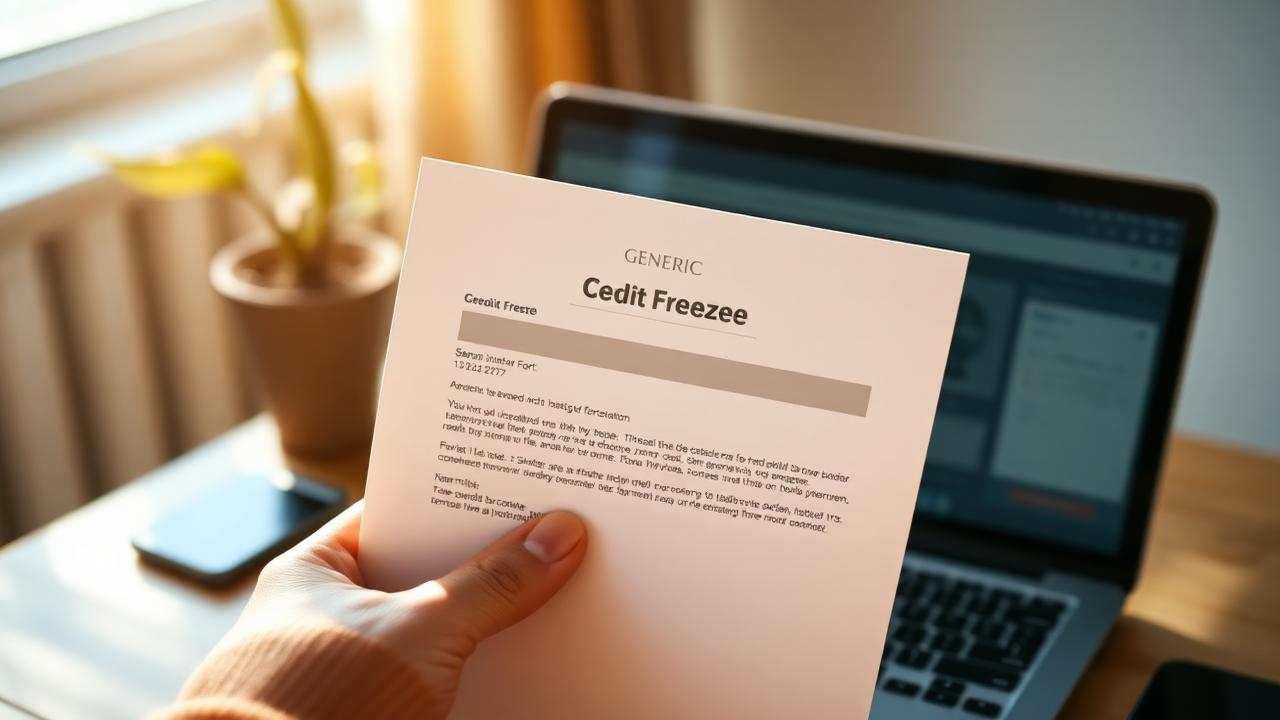
Identity theft often precedes property fraud. Here's the 48-hour response that limits the downstream damage.
The first 24 hours
Freeze your credit at Equifax, Experian, and TransUnion — each is free and takes about 5 minutes per bureau. File a report at IdentityTheft.gov; the FTC's recovery plan is the document law enforcement and lenders want to see. Change passwords on every email account tied to financial logins and enable two-factor authentication.
The next 24 hours
Pull your property record from the county recorder and confirm nothing has been filed since you last checked. Set up record monitoring if you don't already have it. Notify your title insurer so they have a contemporaneous record if anything surfaces months later. Call any lender with an existing relationship; many will add a verbal-confirmation flag to your accounts.
The following week
Order free credit reports from each bureau and review every account. Dispute anything unfamiliar in writing — the bureaus are required to investigate within 30 days. Save every letter, email, and confirmation number in one folder; you'll reference it for the next year.
Scan your address free — no account, no card. Then start monitoring in under a minute.
How long the risk window stays open
Stolen identity data circulates on criminal marketplaces for years, not months. The initial 48-hour response limits the immediate damage, but the elevated risk to your property persists indefinitely. Plan to recheck your property record at least monthly for the first year, and keep active record monitoring in place permanently — the marginal cost is small relative to the residual exposure.
Building a 'fraud binder'
Create one physical or digital binder for every report, letter, freeze confirmation, and call note. When the next anomaly appears — and it usually does — having the full history in one place turns a multi-day reconstruction into a 15-minute reference. Future lenders and underwriters will also ask for the history, and a clean record of your response strengthens future credit and insurance decisions.
Frequently asked questions
Does a credit freeze stop deed fraud?+
A credit freeze stops fraudulent loans (HELOCs, refinances) because lenders can't pull credit. It does not stop a forged deed itself, which doesn't require a credit pull. Pair a freeze with property record monitoring for both layers.
See what's on the public record for your address.
PropertyShield+ checks the public record for new filings, ownership changes and liens, and alerts you the moment something looks wrong. Your encrypted document vault, maintenance tracker and family access work anywhere in the world.
Plans from $14.99/mo · Cancel anytime · Not insurance, a law firm, or a government agency.